
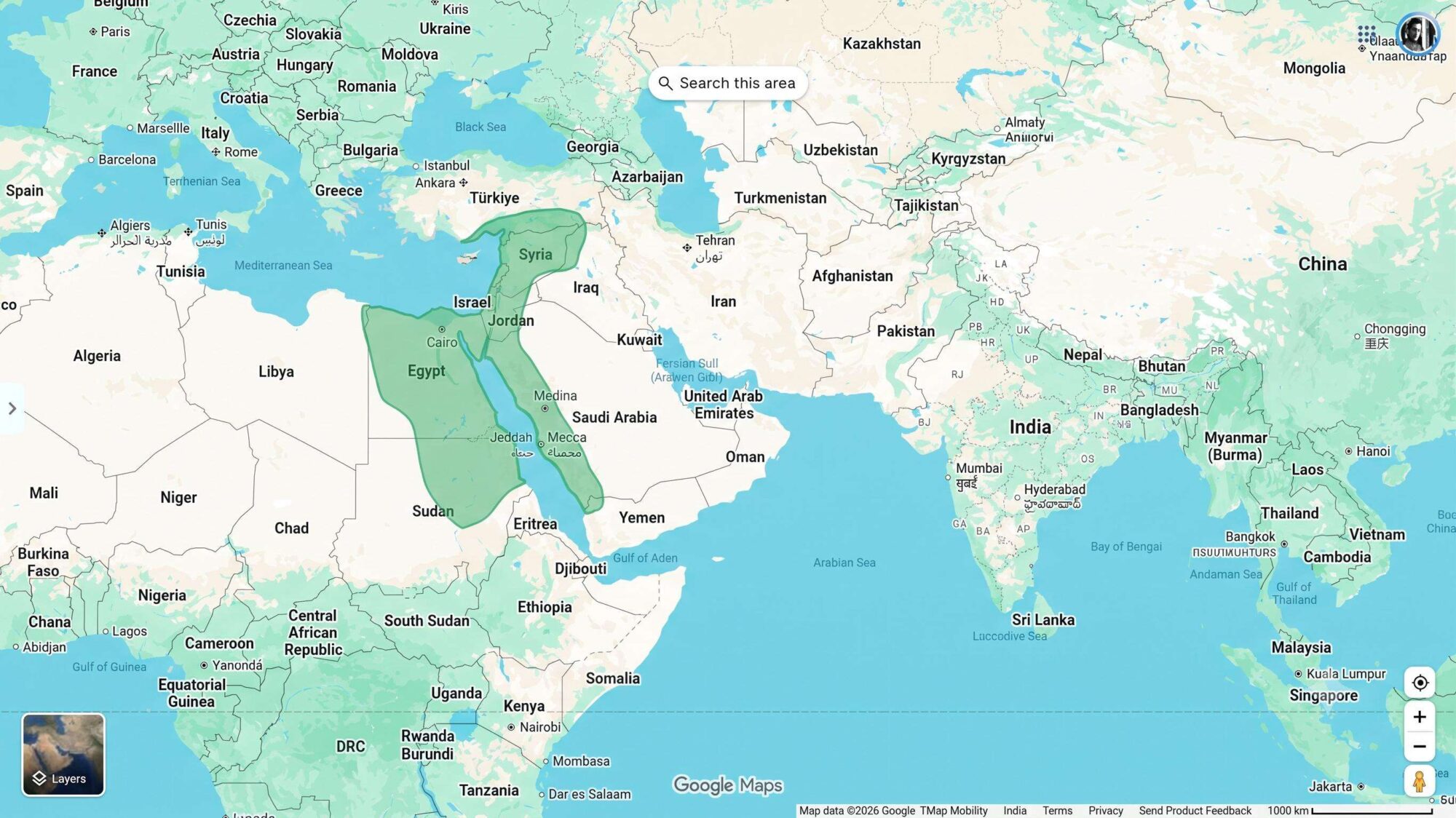
The Mamluk Sultanate was a powerful medieval Islamic empire that ruled Egypt, the Levant (modern Syria, Jordan, Lebanon, Israel and Palestine), and the holy cities of Mecca and Medina from 1250 until 1517. It was established by the Mamluks—an elite military caste of formerly enslaved soldiers, largely of Kipchak Turkic and Circassian origin, who overthrew their Ayyubid masters. Centered in Cairo, the sultanate achieved immense historical fame by halting the westward advance of the Mongol Empire at the decisive Battle of Ain Jalut in 1260 and by expelling the last remaining Crusader states from the Middle East. Beyond its military prowess, the Mamluk Sultanate became a wealthy hub of Mediterranean-Indian Ocean trade and a golden center of Islamic civilization, arts, and monumental architecture until it was conquered and absorbed by the Ottoman Empire in 1517.
How Slaves Became Rulers
How the Mamluk Sultanate Worked
Non-Hereditary, Merit-Based Military Oligarchy:
The Cycle of Recruitment:
Two Main Dynastic Periods:
Administrative and Economic Structure:
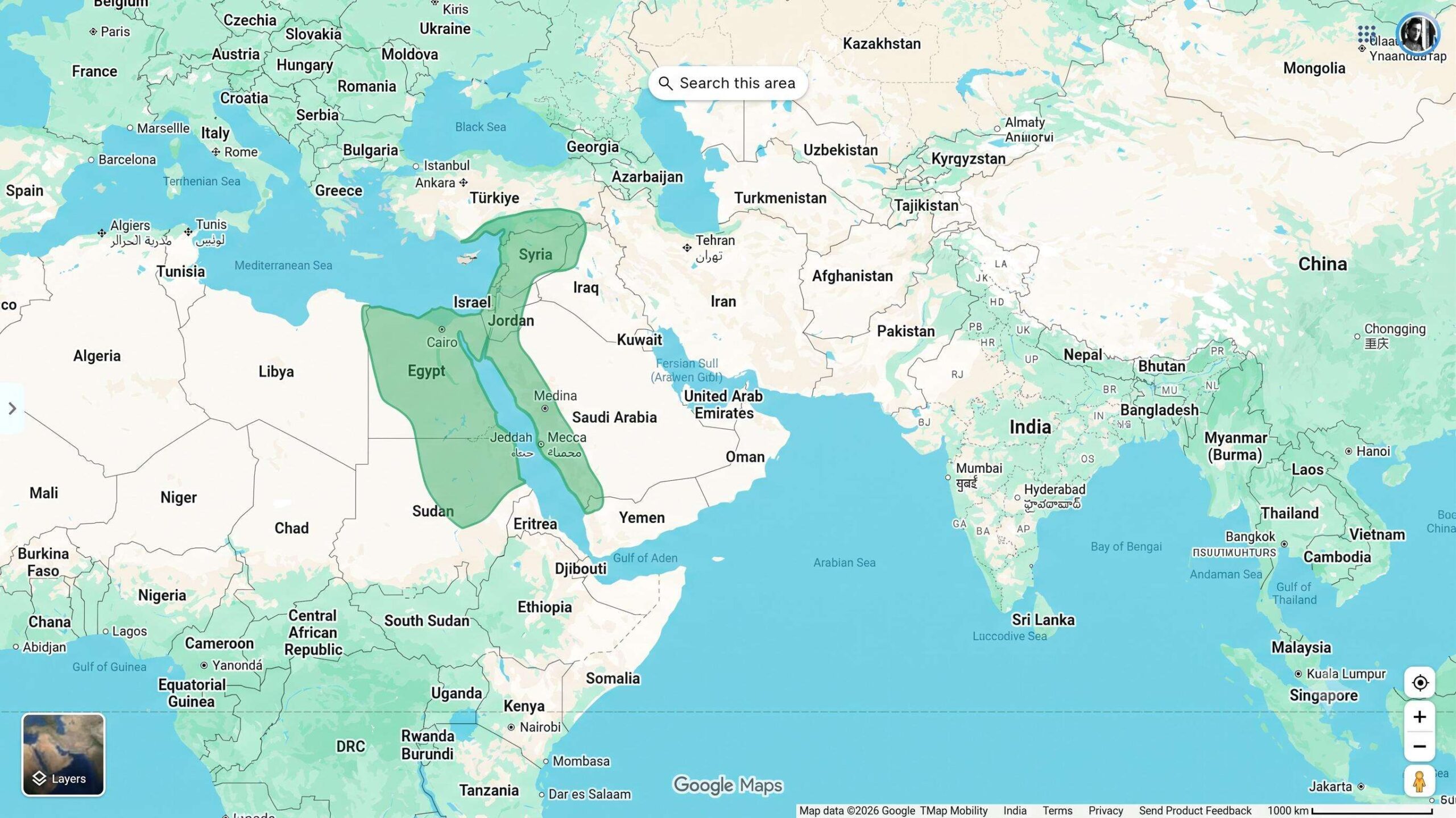
The Mamluk Sultanate of Cairo (1250–1517 CE) was ruled in two successive eras: the Bahri Dynasty (predominantly Turkic origin) and the Burji Dynasty (predominantly Circassian origin). At its height, the Sultanate controlled Egypt, the Levant (Syria, Palestine, Lebanon, parts of southern Anatolia), the Hejaz (Mecca and Medina), and Cyrenaica.
Below is the chronological table of the rulers of the Mamluk Sultanate, including the major foundational, peak, and defining sultans alongside standard modern historiographical estimates of territorial size:
1. Bahri Mamluk Dynasty (1250 – 1382 CE)
| No. | Ruler Name | Reign Period | Estimated Land Area Under Reign |
| 1 | Shajar al-Durr | 1250 CE | ~1,000,000 km² (Transitional female ruler; end of Ayyubid rule in Egypt) |
| 2 | Izz al-Din Aybak | 1250 – 1257 CE | ~1,100,000 km² (First formal Mamluk sultan) |
| 3 | Al-Mansur Ali | 1257 – 1259 CE | ~1,100,000 km² |
| 4 | Sayf al-Din Qutuz | 1259 – 1260 CE | ~1,300,000 km² (Defeated the Mongols at the Battle of Ain Jalut; secured Syria) |
| 5 | Baybars (Al-Zahir Baybars) | 1260 – 1277 CE | ~1,600,000 – 1,800,000 km² (Consolidated Egypt, Levant, and Hejaz; dismantled Crusader strongholds) |
| 6 | Al-Sa’id Barakah & Solamish | 1277 – 1279 CE | ~1,700,000 km² |
| 7 | Al-Mansur Qalawun | 1279 – 1290 CE | ~1,900,000 km² (Defeated Ilkhanid Mongol invasion at Homs; took Tripoli from Crusaders) |
| 8 | Al-Ashraf Khalil | 1290 – 1293 CE | ~2,000,000 km² (Captured Acre in 1291, ending the Crusader Kingdom of Jerusalem) |
| 9 | Al-Nasir Muhammad (1st & 2nd reigns) | 1293–1294, 1299–1309 CE | ~1,900,000 – 2,000,000 km² (Period of factional instability) |
| 10 | Al-Adil Kitbugha & Lajin | 1294 – 1299 CE | ~1,900,000 km² |
| 11 | Baybars II (al-Jashnakir) | 1309 – 1310 CE | ~1,900,000 km² |
| 12 | Al-Nasir Muhammad (3rd reign – Golden Age) | 1310 – 1341 CE | ~2,100,000 – 2,200,000 km² (Territorial and cultural peak; extended south into Nubia and deep into Hejaz) |
| 13 | Al-Salih Ismail & Al-Kamil Sha’ban | 1342 – 1346 CE | ~2,100,000 km² |
| 14 | Al-Nasir Hasan (1st & 2nd reigns) | 1347–1351, 1354–1361 CE | ~2,000,000 km² (Built Mosque-Madrasa of Sultan Hasan; Black Death struck in 1348) |
| 15 | Al-Salih Salih | 1351 – 1354 CE | ~2,000,000 km² |
| 16 | Al-Mansur Muhammad & Al-Ashraf Sha’ban | 1361 – 1377 CE | ~2,000,000 km² |
| 17 | Al-Mansur Ali II & Al-Salih Hajji | 1377 – 1382 CE | ~1,900,000 km² → overthrown by Barquq |
2. Burji Mamluk Dynasty (1382 – 1517 CE)
| No. | Ruler Name | Reign Period | Estimated Land Area Under Reign |
| 18 | Barquq (Al-Zahir Barquq) | 1382–1389, 1390–1399 CE | ~1,900,000 km² (Founded Burji dynasty; confronted Timur’s expansion) |
| 19 | Faraj ibn Barquq | 1399–1405, 1405–1412 CE | ~1,500,000 – 1,700,000 km² (Timur sacked Aleppo and Damascus in 1400) |
| 20 | Al-Musta’in (Abbasid Caliph proclaimed Sultan) | 1412 CE | ~1,700,000 km² |
| 21 | Al-Mu’ayyad Shaykh | 1412 – 1421 CE | ~1,800,000 km² (Restored central control over Syrian frontier) |
| 22 | Sayf al-Din Tatar & Barsbay | 1421 – 1438 CE | ~1,900,000 – 2,000,000 km² (Barsbay captured Cyprus and made it a tributary state in 1426) |
| 23 | Al-Aziz Yusuf & Sayf al-Din Jaqmaq | 1438 – 1453 CE | ~1,900,000 km² |
| 24 | Al-Mansur Uthman & Sayf al-Din Inal | 1453 – 1461 CE | ~1,900,000 km² |
| 25 | Khushqadam & Timurbugha | 1461 – 1468 CE | ~1,900,000 km² |
| 26 | Qaitbay (Al-Ashraf Qaitbay) | 1468 – 1496 CE | ~1,900,000 – 2,000,000 km² (Architectural renaissance; defended against Ottoman incursions in Anatolia) |
| 27 | Al-Nasir Muhammad IV & Qansuh | 1496 – 1500 CE | ~1,850,000 km² |
| 28 | Janbalat & Tuman Bay I | 1500 – 1501 CE | ~1,800,000 km² |
| 29 | Qansuh al-Ghawri | 1501 – 1516 CE | ~1,800,000 km² (Naval clashes with Portuguese; killed at Battle of Marj Dabiq vs Ottomans) |
| 30 | Tuman Bay II | 1516 – 1517 CE | ~1,000,000 km² → 0 km² (Defeated at Battle of Ridaniya; Egypt annexed into the Ottoman Empire) |
